
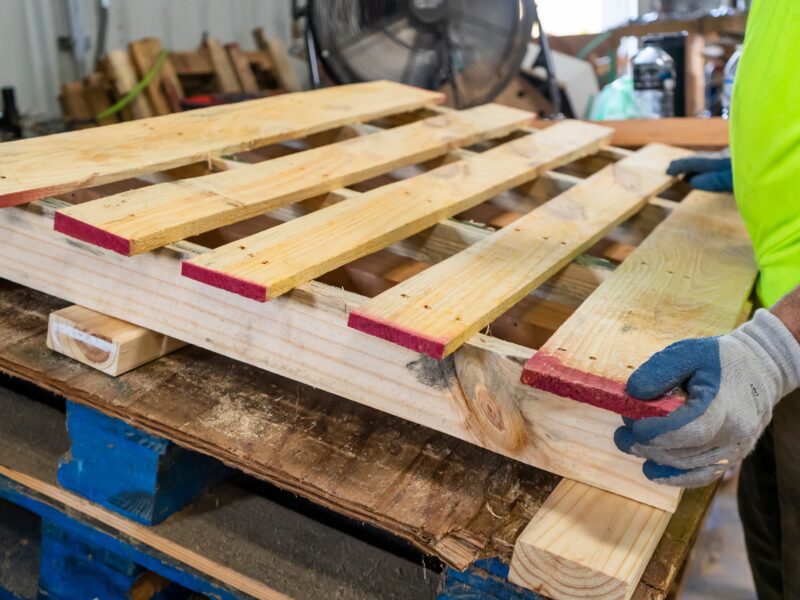
When people think about warehouse efficiency, they usually picture forklifts, shelving systems, or inventory software. But the design of your pallets plays a major role too. A well-designed pallet can make loading faster, stacking easier, and even reduce damage to your products. For warehouses in Columbus and beyond, small changes in pallet design can lead to big improvements in how smoothly things run. The right pallets can save time, lower expenditures, and help your team move goods through your supply chain with fewer headaches. In this blog, we’ll look at how pallet design affects different parts of your warehouse operations—and how choosing the right one makes a real difference.
The Basics of Pallet Design
Not all pallets are the same. Pallet design includes things like size, material, how the boards are arranged, and whether the pallet can be picked up from two sides or all four. These details might seem small, but they impact how the pallet moves through your warehouse.
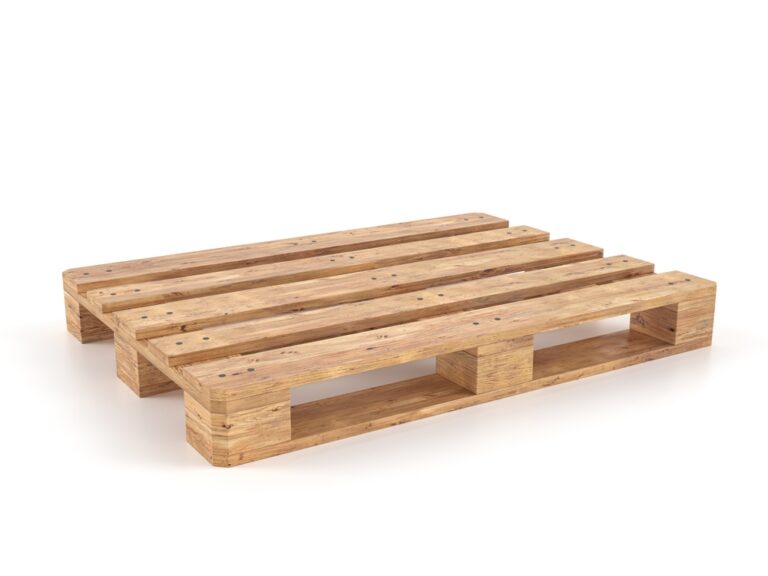
There are two main types of pallets: stringer pallets and block pallets. Stringer pallets use two or three long boards (called stringers) to support the top deck. Block pallets use solid blocks at each corner and sometimes in the middle too, which makes them stronger and easier to lift from any side.
You’ll also see 2-way and 4-way pallets. A 2-way pallet can only be lifted from two sides, while a 4-way pallet gives your team more flexibility with forklifts and pallet jacks.
In North America, the most common size is the GMA (Grocery Manufacturers Association) pallet, which is 48 inches by 40 inches. This standard size works well for many industries and fits into most racking systems and trucks.
Getting familiar with these basics helps when you’re picking out pallets or thinking about custom designs. The more your pallet fits your operation, the smoother things tend to go.
Materials Matter: Wood vs. Plastic vs. Composite Pallets
The material your pallets are made from affects more than just how they look. It plays a big role in how they handle weight, how long they last, and how they move around your warehouse.
Wood pallets
Wooden pallets are the most common. They’re strong, affordable, and easy to repair. But they can be heavy, and if they’re not handled carefully, they can break or leave behind splinters.
Plastic pallets
Plastic pallets are lighter and don’t have nails or splinters, which makes them a good option for clean environments like food or medical storage. They’re also more resistant to moisture and chemicals. The downside? They cost more upfront and are harder to fix if damaged.
Composite pallets
Composite pallets are made from recycled materials or a mix of wood and plastic. They tend to last longer than regular wooden pallets but are usually still cheaper than full plastic ones.
Choosing the right material depends on your products, your budget, and how often you plan to reuse your pallets. For high-turnover warehouses, the right material choice can make moving goods quicker and easier.
Your Storage and Racking Systems
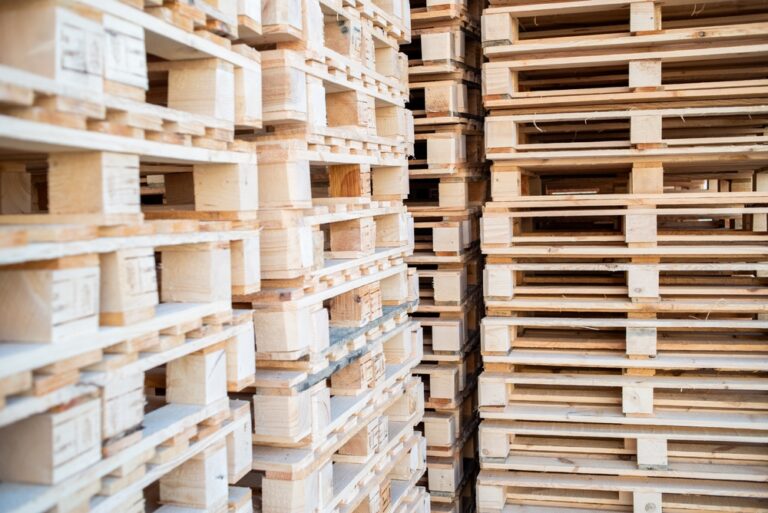
Pallet design also affects how your products fit on shelves, in racks, and in storage areas. A pallet that doesn’t match your system can waste space or even cause safety issues. Standard-sized pallets like the GMA 48×40 fit neatly into most pallet racking setups. If your pallets are too wide or too tall, you might lose valuable storage space. On the other hand, if they’re too small or weak, they might not hold up well under heavier loads. The way a pallet is built also matters. Some pallets have solid bottoms that sit flat on shelves. Others have gaps that might not work well with certain rack types. If your warehouse uses high stacking, you need pallets that are strong enough to hold their shape without bending or shifting. A well-matched pallet lets you store more in the same amount of space and keeps everything stable during stacking, which helps reduce product damage and makes warehouse work more efficient.
How Pallet Design Affects Freight Costs and Dimensioning Accuracy
The size and shape of your pallets can have a big impact on shipping costs. If your pallets aren’t consistent or don’t stack well, you might end up using more space in a truck than you need. That means fewer products per load—and higher freight bills.
Pallet design also plays a part in dimensioning, which is the process of measuring the length, width, and height of a shipment. Many warehouses now use automated systems to scan pallet loads and calculate how much space they take up. If your pallets are off-size, warped, or poorly stacked, those systems can misread the dimensions. That can lead to incorrect freight charges or delays during shipping.
When your pallets are built with freight and dimensioning in mind, it’s easier to make full use of available space and avoid surprises on your shipping invoices. Over time, that can lead to better planning, smoother logistics, and real savings for shippers.
Compatibility with Forklifts and Warehouse Equipment
A pallet that doesn’t work well with your equipment can slow everything down. The design needs to match the tools your team uses every day—your forklifts, pallet jacks, and conveyor belts.
For example, 4-way pallets can be picked up from any side. This saves time because workers don’t have to stop and turn them just to get the forks underneath. This makes loading, unloading, and moving through tight spaces a lot smoother.
The weight of the pallet also matters. Lighter pallets are easier to move, especially if your team does a lot of manual lifting. But if the pallet is too light or weak for your products, it could break under pressure.
Some pallets are made to work with specific equipment or handling systems. If your warehouse uses automation or special machines, you might need custom features—like notched stringers or a certain bottom deck design—to keep things running without hiccups.
In short, matching your pallet to your equipment can cut down on wasted time and reduce the chance of damaged goods or accidents.
Custom Pallet Design for Industry-Specific Needs
Not every business can use the same kind of pallet. Different industries have different needs, and a custom pallet can solve problems that standard ones just can’t.
Let’s say you’re in the food or beverage industry—you might need plastic pallets that are easier to clean and don’t absorb moisture. Or maybe you ship heavy machinery—your pallets need to be strong enough to handle extra weight without breaking apart during transport.
Some companies also ship internationally. If that’s the case, your pallets might need to meet specific export rules or sizing standards in other countries.
Custom pallets can also help reduce damage to products. If your items are oddly shaped or fragile, a pallet made just for them can give them better support and make stacking safer.
Working with a local supplier in Columbus makes it easier to get exactly what you need, whether that’s a special size, added strength, or just a better fit for your daily workflow.
Choosing the Right Pallet for Your Operation
The right pallet design can make your warehouse faster, safer, and more organized. From the material you choose to the size, shape, and how it works with your equipment, every detail plays a part in how smoothly your operation runs.
There’s no one-size-fits-all option. It all depends on your space, your packaging, your equipment, and how you handle transportation and inventory management every day. If your pallets don’t match your setup, you’ll end up wasting time, money, and storage space.
If you’re in the Columbus area and want to find better pallets for your warehouse, we can help. Our team can talk through your needs and recommend a pallet design that actually fits the way you work.
Contact Franke’s Wood Products Today
Standard and Custom Pallet Supplier in Columbus, Ohio
Need pallets that actually work for your warehouse? Whether you’re looking for standard wood pallets, custom pallets, or something more durable, we’ll help you find the right fit.
Contact us today to get a free estimate and talk with our team in Columbus.
We make the process simple and help you get pallets that work better for your operations.