
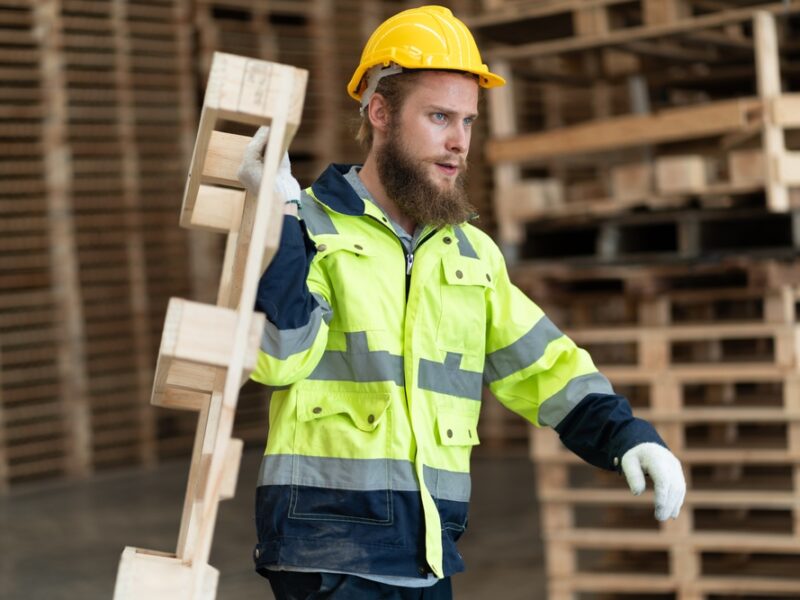
The Importance of Safe Pallet Handling in Warehouses
Your warehouse relies on pallets every day to store and transport goods efficiently. Pallets are essential in workplaces like warehouses and distribution centers, but mishandling them can cause serious injuries. Back injuries, trips, falls, and other accidents often happen when pallets aren’t handled properly, yet these risks are often overlooked. When workers mishandle pallets, it puts their health at risk and leads to expensive medical bills and lost work hours.
In this blog, we’ll explain how proper pallet handling can help you reduce injuries. Simple changes to how you lift pallets can make your warehouses safer and help prevent accidents. Whether you’re moving pallets within your warehouse or loading them onto trucks for distribution, proper handling can prevent injuries and keep your supply chain running smoothly.
Common Workplace Injuries Caused by Improper Pallet Handling

Improper pallet handling leads to these types of workplace injuries, many of which are preventable with the right approach:
Back Strains
One of the most common injuries involves back strain from improper pallet lifting. Workers who bend at the waist or try to lift loads that are too heavy often end up with long-term back issues, which can severely limit their ability to do their jobs.
Slips, Trips, and Falls
Slips, trips, and falls also happen as a result of poor pallet lifting techniques. Broken or damaged pallets left on the floor create tripping hazards, while cluttered spaces can lead to accidents. Workers navigating these obstacles risk serious falls that can result in sprains, fractures, or worse.
Hand and Foot Injuries
Hand and foot injuries also happen regularly in pallet-handling situations. Without proper hand protection, employees can suffer cuts or punctures from broken wood or loose nails. Feet are also at risk when pallets are dropped or moved carelessly, leading to crushed toes or other serious injuries.
Forklift Accidents
Forklift accidents are another major concern. When workers stack pallets the wrong way or place them in unstable positions, the risk of a forklift tipping or losing its load goes up. This can lead to severe injuries not only for the forklift operator but also for other workers nearby.
Best Pallet Lifting Practices to Prevent Injury
Preventing injuries in the warehouse starts with knowing how to handle pallets properly:
Proper Lifting Techniques
Using correct lifting methods is so important. Workers should always lift with their legs, not their backs, to avoid straining muscles. Encouraging workers to bend their knees, keep the load close to their bodies, and avoid twisting while lifting can significantly reduce the risk of back injuries.
Pallet Inspections
Inspecting pallets regularly is another important step. Damaged pallets with splintered wood, loose nails, or cracks pose serious risks. Workers should be trained to spot and remove faulty pallets before they cause an accident. A quick visual inspection before each use can prevent injuries from pallets collapsing or falling apart mid-lift.
Proper Use of Equipment
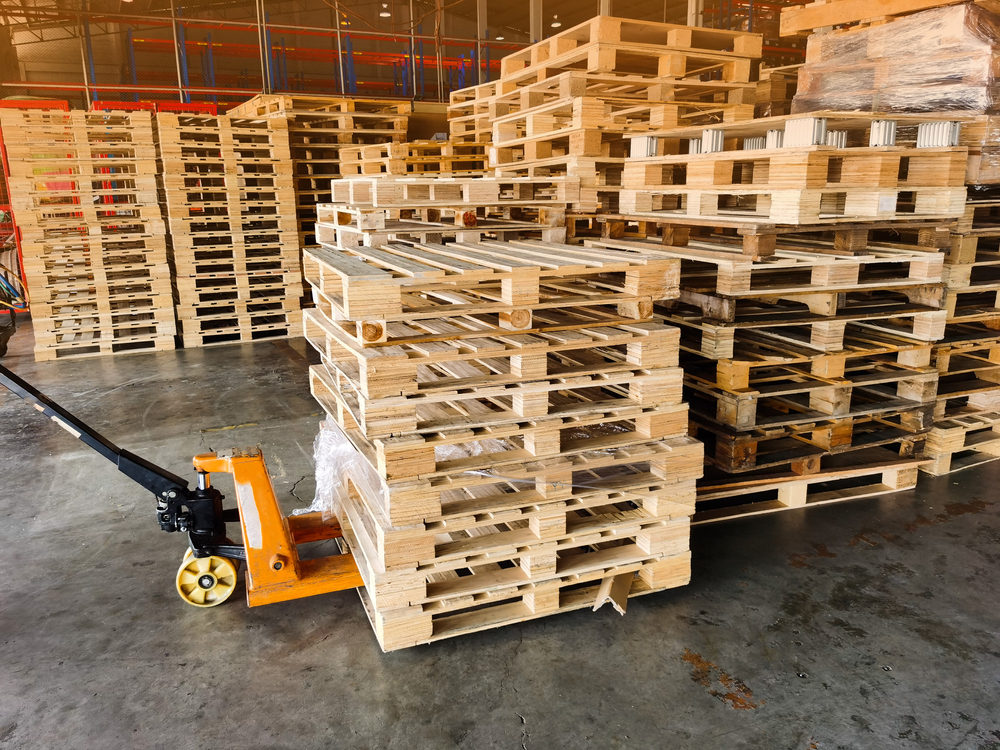
Using the right equipment, like forklifts, pallet jacks, or even conveyor systems, can also make a big difference. Forklifts, pallet jacks, and conveyor systems are designed to move heavy loads safely, but workers need the right training to operate them. Reminding workers to never exceed the weight capacity of these machines and to use them for the right tasks makes for safer handling. When moving pallets manually, using tools like lifting straps or trolleys can reduce strain on workers and improve control over heavy loads.
Proper Pallet Stacking
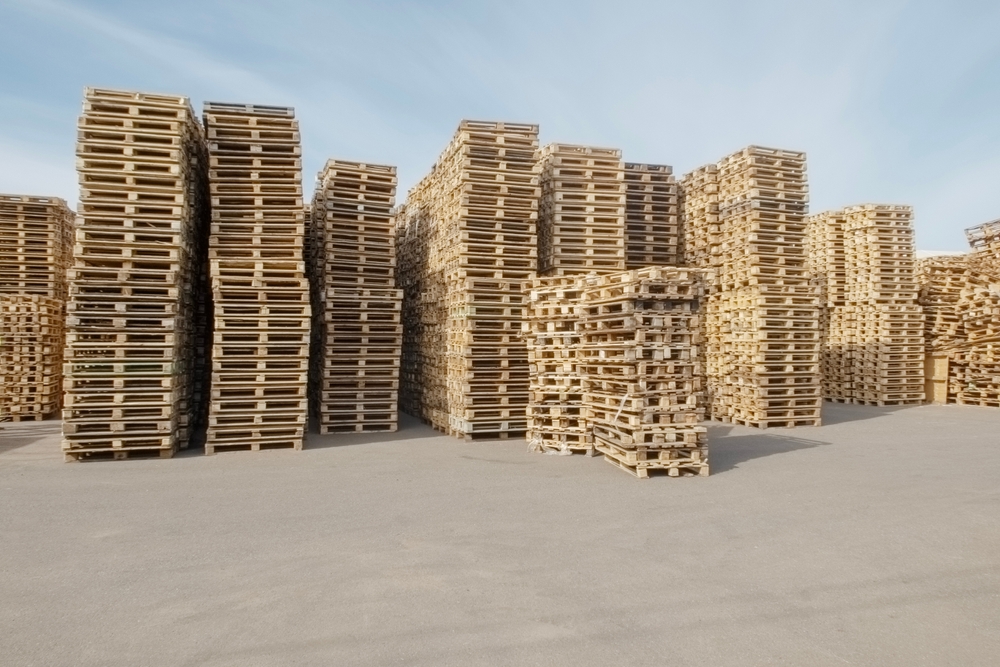
Stacking pallets correctly is another critical safety measure. Pallets should be stacked evenly and securely, avoiding excessive height that could lead to tipping. Stacking too high or in an unstable way increases the risk of falling loads, which can lead to severe injuries. Workers should also avoid stacking pallets in high-traffic areas.
Safety Equipment
Personal protective equipment (PPE) plays a big role in preventing injuries as well. Workers handling pallets should wear gloves to protect their hands from sharp edges or splinters. Steel-toed boots are also essential for guarding against crushed feet if a pallet is dropped. In areas where pallets are moving all the time, protective eyewear can help prevent eye injuries from airborne debris or falling objects.
By adopting these safety practices, warehousing teams can significantly reduce their risk of injury and keep their logistics running smoothly. Simple steps, like teaching proper lifting techniques, regularly inspecting pallets, and using the right tools, can make a major impact on overall safety.
Training and Ongoing Education for Workers
Training employees on proper pallet handling is crucial to keeping your warehouses safe. Regular safety training should cover everything from lifting techniques to using equipment safely:
Onboarding
Onboarding new employees is a perfect opportunity to instill good safety habits from day one. Training sessions should include hands-on demonstrations of how to safely lift, move, and stack pallets. Teaching new hires the right way to handle pallets reduces the risk of injuries early on and helps create a culture of safety throughout your warehouse.
Ongoing Education
Training isn’t a one-time event. Ongoing education is needed to keep safety top of mind. As warehouse operations change or new equipment is introduced, refresher courses can reinforce safe pallet handling techniques and address any new risks. Regular safety meetings or short training sessions help workers stay informed about best practices and reduce the likelihood of complacency.
Safety Posters, Checklists, and Other Reminders
Putting up written guidelines and visual reminders throughout your warehouse can help reinforce the lessons you’ve taught. Posters showing correct lifting techniques, checklists for pallet inspections, or instructions for using pallet jacks can serve as constant reminders of the importance of safe handling.
Creating a Safety-First Warehouse Culture
Building a strong safety culture in the warehouse goes beyond rules and guidelines—it requires a shared commitment from both management and workers. When everyone understands that safety is the top priority, it’s easier to prevent accidents and make proper pallet handling second nature.
Encourage Communication
One way to promote this culture is by encouraging employees to take ownership of safety. Workers should feel comfortable reporting hazards, such as damaged pallets or unsafe stacking, without fear of repercussions. Encouraging open communication about safety concerns helps identify risks early and allows for quicker fixes.
Incentive Programs
Incentive programs can also motivate workers to practice safe pallet handling. Offering rewards for consistently following safety protocols or identifying potential hazards creates a positive reinforcement loop, making safety a daily focus. Even small rewards like recognition or bonuses can boost engagement and accountability.
Safety Audits
Regular safety audits are another great tool for maintaining high standards. These audits can help you spot gaps in pallet handling practices and make sure that everyone is following the guidelines. Conducting audits shows your employees that you take safety seriously and are committed to continuously improving working conditions.
A safety-first mindset doesn’t just protect your workers—it can boost morale and productivity, creating a workplace where everyone can focus on doing their job well, without unnecessary risks.
Contact Franke’s Wood Products Today
Custom Pallets in Columbus Ohio
Proper pallet handling is all about creating a safer, more efficient workplace. By adopting safe lifting techniques, inspecting pallets regularly, using the right equipment, and providing ongoing training, you can significantly reduce the risk of accidents in your warehouse.
Investing in safety protects employees from harm and helps you reduce medical bills, downtime, and lost productivity. Plus, when workers feel safe, they’re more likely to stay engaged and do their jobs with confidence, which ultimately benefits your entire operation.
Contact us today for high-quality pallets and other custom wood products that can support a safer and more efficient warehouse. At Franke’s Wood Products, we’re here to help you get the most reliable wood products, whether you need standard pallets or custom pallets tailored to your business.